10 Easy Facts About Lab Grown Diamonds Explained
Table of ContentsThe Greatest Guide To Lab Grown DiamondsA Biased View of Lab Grown Diamonds4 Simple Techniques For Lab Grown DiamondsLab Grown Diamonds - Questions
As you travel closer to the Planet's core, stress and temperature boost, which develops the best oven for carbon to be exchanged diamond (rubies are the only gemstone to be made from purely one element). Via a large volcanic eruption, these diamonds were carried to the Earth's surface area. It's approximated this process was fairly quick (most likely throughout several hours), which enabled the rubies to stay undamaged without melting.The brief response: carats gauge the mass of rocks, karats gauge the purity of gold. Carat weight: 1 carat is equivalent to 0.2 grams, concerning the weight of a paperclip (following time you see an image of Mariah Carey's 35 carat interaction ring, just imagine the problem of lugging 35 paper clips around your finger on a daily basis).
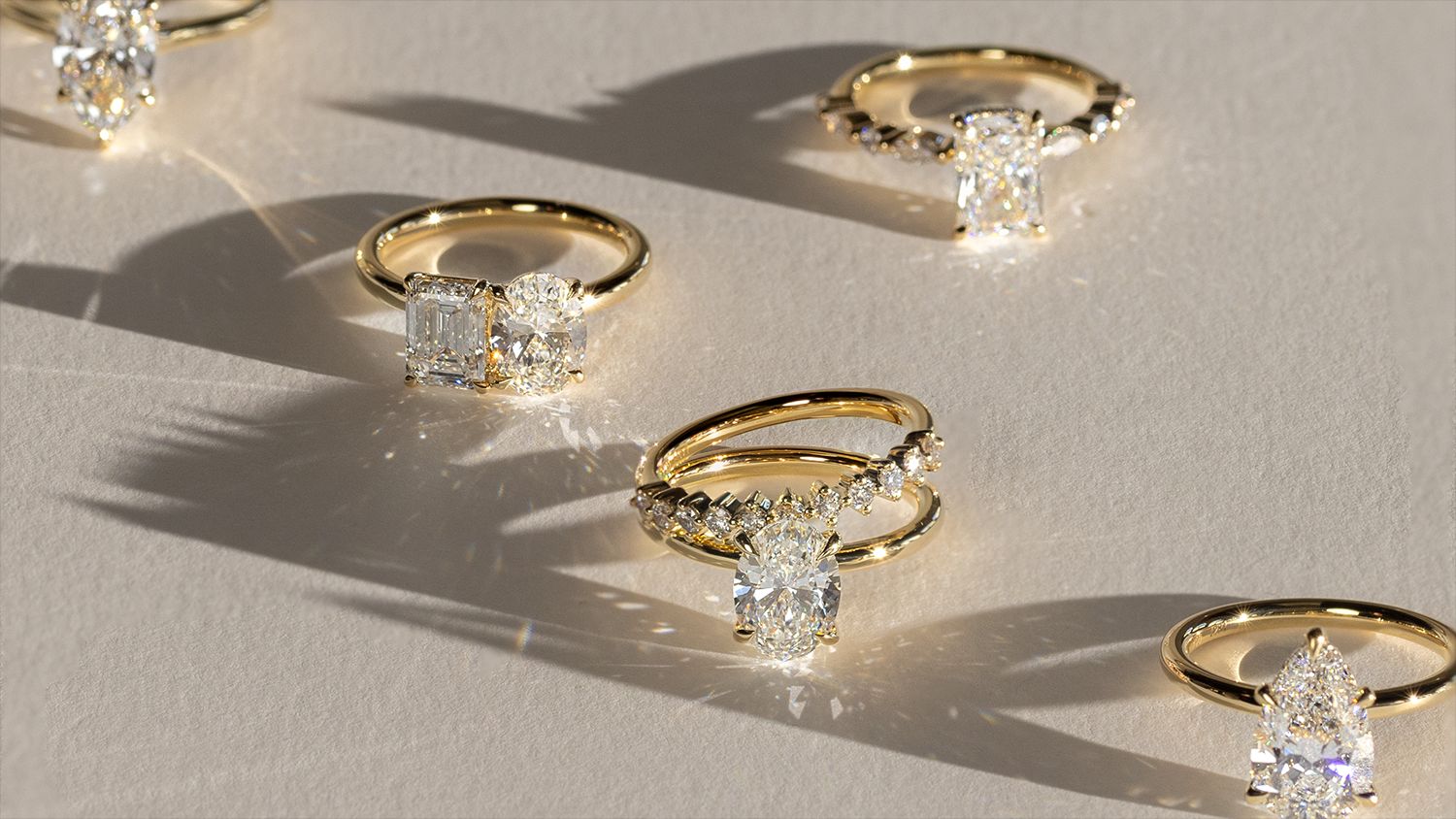
Below are some of the key advantages of laboratory expanded diamonds and lab produced ruby jewelry:.
Some Known Details About Lab Grown Diamonds
Simply put, natural or earth-mined rubies are crafted over numerous years beneath the Earth's crust from pure carbon integrated with stress and warmth. Producing diamonds in a lab requires the very same process, simply fine-tuned to happen over a much smaller sized time frame in a a lot more regulated setup.
Whereas earth-mined diamonds are unusual and limited and tend to increase in price gradually, laboratory diamonds are conveniently available. As demand rises, labs can proceed to create laboratory rubies indicating they are not limited or scarce compared to natural rubies. If you have an interest in fine fashion jewelry from a financial investment viewpoint, like lab-grown ruby rings, they will not be a good suitable for your demands.
They could believe that the cons of lab-grown diamonds surpass the pros. Disputes, wars, and human civil liberties problems are all come together with the ruby sector. That said, the ruby market does offer earnings to third-world nations. Some could argue that, therefore, getting a lab-made diamond also features its moral factors to consider, as doing so takes income far from those associated with the natural diamond market that might require it most.
Traditional diamonds count on the Planet's conditions to determine their quality or lack thereof. In a lab, makers can directly manage a ruby's top quality.
The Only Guide for Lab Grown Diamonds
You can easily locate colored, synthetic diamonds on the (reasonably) low-cost side as well as details cuts that would be pricier if you were shopping for an extracted ruby only. That hardly implies it isn't worth protecting.
all-natural diamonds is that the latter is mined from natural deposits in the Planet while the previous is made in a laboratory utilizing controlled settings. Their quality is mainly the very same. While the difference between lab-grown and natural ruby alternatives are minimal when it concerns high quality, a few of the drawbacks of lab-grown rubies consist of the fact that the rock will certainly drop gradually and, to some, an absence of sentimental worth that's frequently connected with mined rubies
The procedure involves very little land interruption and removes worries associated with logging and habitat destruction. Lab-grown rubies are often a lot more cost effective than natural diamonds. This expense distinction can be connected to the streamlined production process and the avoidance of costs related to typical mining. The Controlled Environment in Which Laboratory Grown Diamonds Are Developed Enables for Regular Top Quality.
Versatility in Design - Lab Grown Diamonds Deal Designers helpful site and Customers a Versatile Palette to Develop Distinct and Innovative Fashion Jewelry Styles. the Controlled Growth Refine Permits The Production of Diamonds in Different Shapes and Dimensions. Laboratory Diamond Rings are one of More Help the most Famous Among Laboratory Ruby Jewelry. Laboratory Diamonds Usually Include A More Transparent Supply Chain.
Not known Incorrect Statements About Lab Grown Diamonds
Market Assumption - In Spite Of Their Similar Physical Properties, Laboratory Diamonds May Face Challenges in Market Understanding. Some Consumers Still Perceive Natural Diamonds as Having Greater Value and Prestige. The Manufacturing of Lab-Grown Diamonds Can Be Energy-Intensive, Especially in Methods Like High Stress High Temperature level (hpht) and Chemical Vapor Deposition (cvd).
All-natural Diamonds Are Formed Over Countless Years Deep Within the Earth, Adding to Their Perceived Rarity. Lab-Grown Diamonds, Regardless Of Their Similar Feature, May Not Bring the Very Same Rarity Aspect, Impacting Their Regarded Value for Some Consumers. Effect on Diamond-Dependent Economic Climates - the Change Towards Lab Grown Diamonds Might Have Economic Effects for Nations and Neighborhoods that Depend on The Diamond Mining Market.
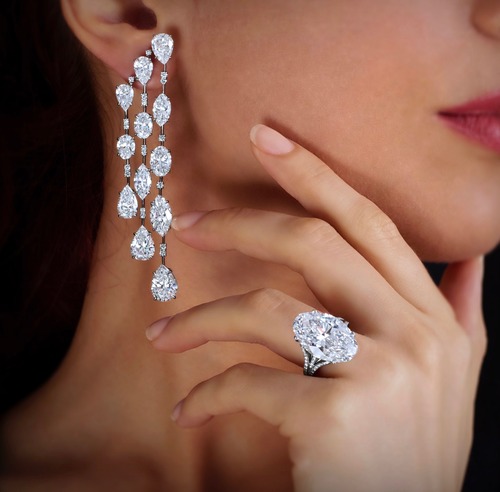
Ans. Laboratory Diamonds Are of Equal Quality to Natural Diamonds in Regards To Solidity, Brilliance, and Quality. the Quality of A Ruby, Whether Lab-Grown or Mined, Is Established by Its Cut, Color, Clearness, and Carat Weight Weight. Ans. Yes, Lab Diamonds Sparkle Similar To All-natural Diamonds. Their Sparkle and Shimmer Are an Outcome of Their Cut and The Way Light Connects with Their Aspects. Ans.